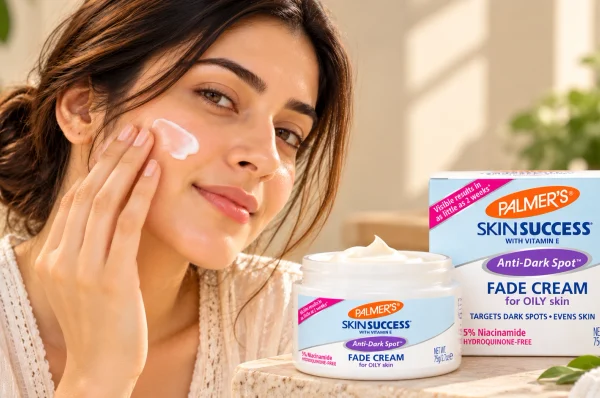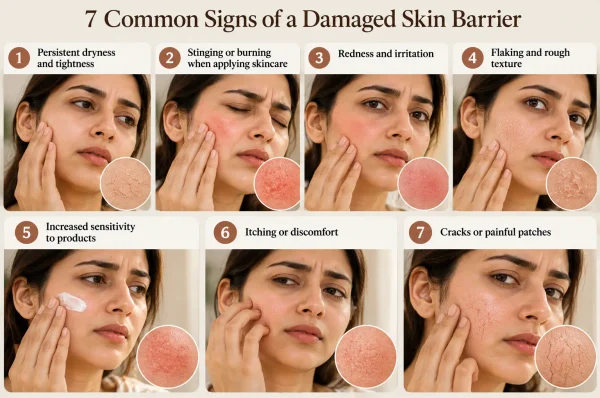
Imagine stepping outside into a biting winter wind, feeling your cheeks tingle as the icy air laces through the gaps in your scarf. As a result, your skin, once supple, now feels fragile and dry, crying out for relief. Winter can be harsh on your skin; therefore, taking care of it becomes essential. As the temperature drops, you may notice more dryness, flakiness, peeling, itching, redness, chapped lips, cracked heels, tightness, dullness, winter acne, or eczema flare-ups. In fact, a study published in the Journal of Dermatological Science found that low winter humidity can reduce skin moisture by up to 25%, making it more susceptible to irritation. Additionally, factors such as cold winds, hot showers, indoor heating, and insufficient water intake can further dry out your skin and weaken its barrier function. Consequently, using ingredients such as ceramides, hyaluronic acid, glycerin, shea butter, squalane, niacinamide, panthenol, oat extract, and petrolatum becomes crucial to keep your skin hydrated, calm, and healthy.
Why Winter Wreaks Havoc on Skin
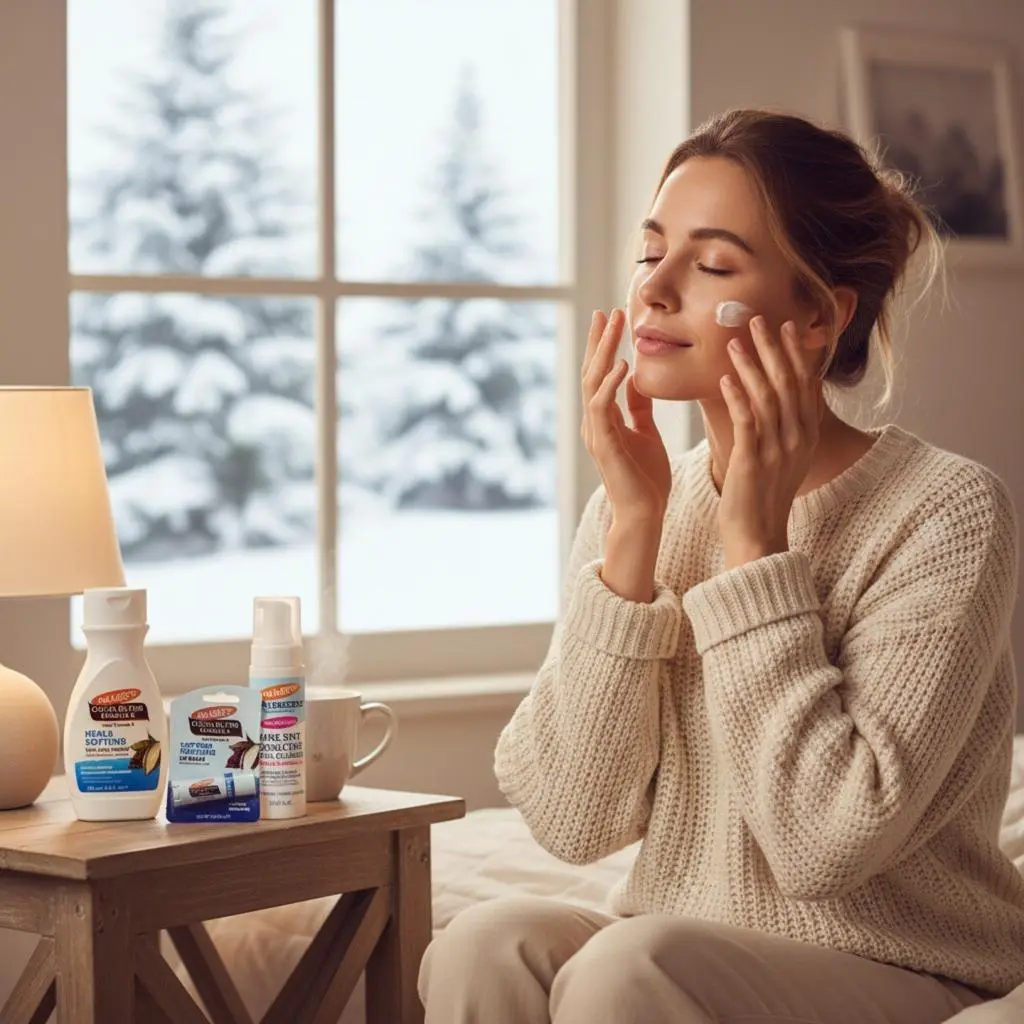
Cold weather brings many challenges for your skin. Low humidity can rob your skin of its natural moisture, leaving it tight and flaky. Freezing winds and hot showers strip the skin of its protective oils, worsening dryness, especially on exposed areas. Indoor heating dries out the air, and drinking less water can also lead to dehydration. All these things together weaken your skin’s barrier, making it more likely to become dry, sensitive, or irritated. Knowing what causes these problems is the first step to keeping your skin healthy in winter.
Common Winter Skin Problems
Dryness & Flakiness
Very dry and peeling skin is common in winter. You might notice rough patches, tightness, or dull-looking skin. Using moisturizers with gentle oils, water-retaining ingredients, and rich creams can help add moisture and improve your skin.
Itching, Redness & Sensitivity
Dry skin can make itching and redness more likely. Try using calming ingredients like niacinamide and oat extract, and choose products that help repair your skin to soothe and comfort it.
Chapped Lips & Cracked Heels
Your lips and heels often get dry in winter. To prevent cracks, use petroleum jelly, shea butter, or a wax-based lip balm regularly. When outdoors, reapply balm every two hours to optimize healing. At night, put on a thick cream and wear socks to help your skin heal.
Winter Acne & Oil Imbalance
Cold weather can make acne worse if your skin barrier is damaged and its oil is out of balance. Use gentle cleansers and moisturizers that do not clog pores, and avoid heavy creams if you are prone to breakouts, as they can slow skin renewal. Try gentle scrubs and lightening creams to make your skin brighter, and use unscented creams to help soothe sensitive skin.
Best Ingredients for Winter Skincare
These ingredients are essential for protecting your skin in winter:
- Ceramides – Strengthen the skin barrier and lock in moisture
- Hyaluronic Acid – Deeply hydrates and plumps the skin
- Glycerin – Pulls water to your skin’s surface.
- Shea Butter & Squalane – Nourish and protect from dryness
- Niacinamide – Calms redness, makes your skin stronger, and helps with irritation
- Petrolatum – Excellent for lips, heels, and dehydrated patches
Including these ingredients in your winter routine helps your skin stay hydrated, calm, and protected.
Winter Skincare Routine
Morning Routine
- Use a hydrating cleanser to gently cleanse your skin without removing its natural moisture. Apply a ceramide-rich moisturizer to help lock in hydration.
- Finish your routine with sunscreen to protect your skin from winter UV rays. Despite the cooler temperatures and shorter days, harmful UV rays can still reach your skin. Don’t be fooled by the myth that the winter sun is harmless; it can cause damage and increase the risk of skin aging. Always ensure your sunscreen is broad-spectrum for complete protection.
Night Routine
- Use a milky or balm-to-oil cleanser at night to avoid stripping your skin’s natural oils. These textures provide gentle cleansing and help maintain your skin’s moisture balance overnight.
- Niacinamide/barrier serum – Repairs and strengthens the skin barrier
- Use a thick, hydrating moisturizer to lock in moisture overnight.
- Apply lip balm and heel balm to protect these vulnerable areas.
- You can also use an overnight mask for extra hydration if your skin feels very dry.
Body Care
- Choose a hydrating body wash that cleans your skin without drying it out.
- Apply a thick body lotion right after showering to lock in moisture. Maximizing absorption happens within three minutes of toweling off, making this a practical pro tip for winter skin care.
- For cracked heels, apply a rich cream and wear socks overnight to help your skin heal.
- Use hand cream often to keep your hands soft and prevent dryness.
Lifestyle Tips & Things to Avoid
To keep your skin healthy during winter, try these tips:
- Drink plenty of water and use a humidifier to add moisture to the air.
- Wear winter-friendly fabrics such as cotton or soft wool to avoid irritating your skin.
- Gently exfoliate your skin once or twice a week to remove dead skin cells.k
- Add hydrating foods like nuts, seeds, and omega-3s to your diet for better skin health.
- Avoid using harsh foaming cleansers, intense exfoliators, benzoyl peroxide, fragranced lotions, and alcohol-heavy toners.
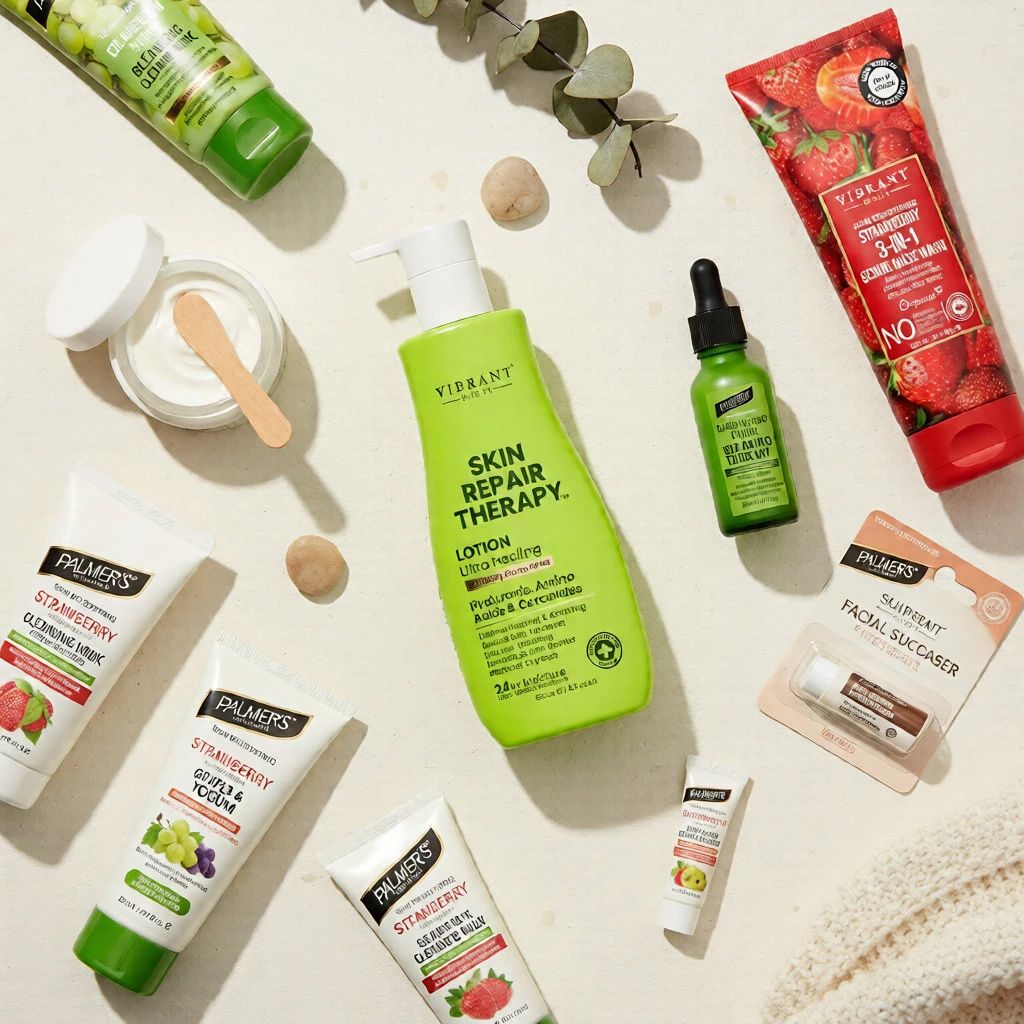
Some trusted products you can try are Vibrant Beauty Lotion, Palmer’s Lotion, Jergens Lotion, skin-repairing creams, and hydrating masks. These work well with winter skincare tips in Pakistan.

FAQs
Q1: Why does my skin get so dry in winter?
A: Low humidity, Cold winds, and Indoor heating strip moisture, leading to dryness and tightness.
Q2: Can cold weather cause acne?
A: Yes. A weakened Skin barrier can lead to Oil Imbalance and Winter Acne.
Q3: Is sunscreen necessary in winter?
A: Absolutely. Sunscreen protects against UV damage even on cloudy or cold days.
Q4: How often should I moisturize in winter?
A: At least twice daily, with extra layers on arid areas like lips and heels.
Q5: What is the best cream for winter dry skin?
A: Use creams containing Ceramides, Glycerin, Shea Butter, or Hyaluronic Acid for deep hydration and barrier repair.