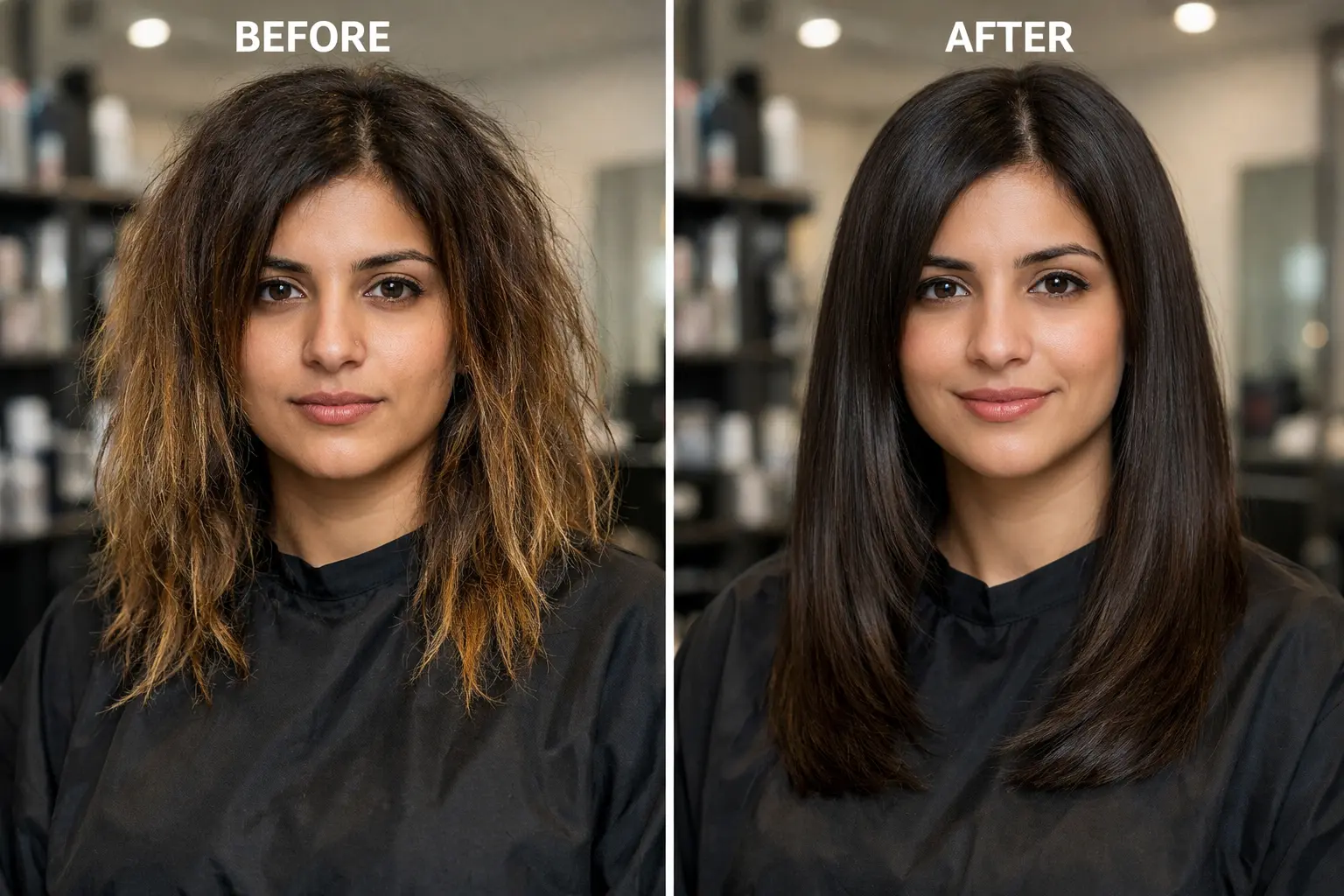
A Practical Guide to Repairing, Strengthening, and Maintaining Healthy Hair (2026)
In Pakistan, more people are experiencing hair damage from frequent coloring, straightening, and heat styling, as well as environmental factors. This often leads to rough hair, breakage, and a loss of shine.
People now seek expert advice and realistic solutions rather than big promises. This guide outlines best practices for caring for damaged and chemically-treated hair in Pakistan, with a focus on repair, prevention, and good habits. To understand how daily care supports the recovery of damaged hair, you can also read our complete guide to the hair care routine for Pakistani weather.
What Causes Hair Damage and Chemical Stress?
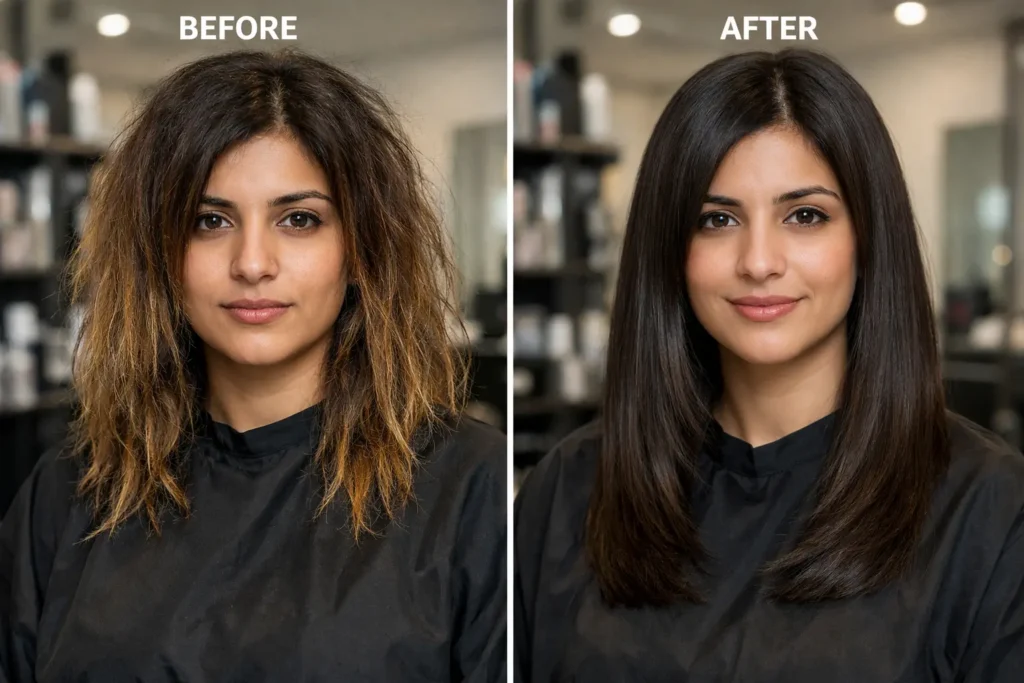
Hair damage accumulates over time from repeated exposure to harmful habits.
Common causes include:
- Hair coloring, bleaching, rebonding, and perming
- Excessive use of straighteners and blow dryers
- Harsh shampoos and frequent washing
- Sun exposure, dust, and pollution
These factors weaken the hair cuticle, which causes dryness, split ends, and breakage.
Signs Your Hair Is Chemically Damaged
Before picking products, it’s essential to know if your hair is actually damaged.
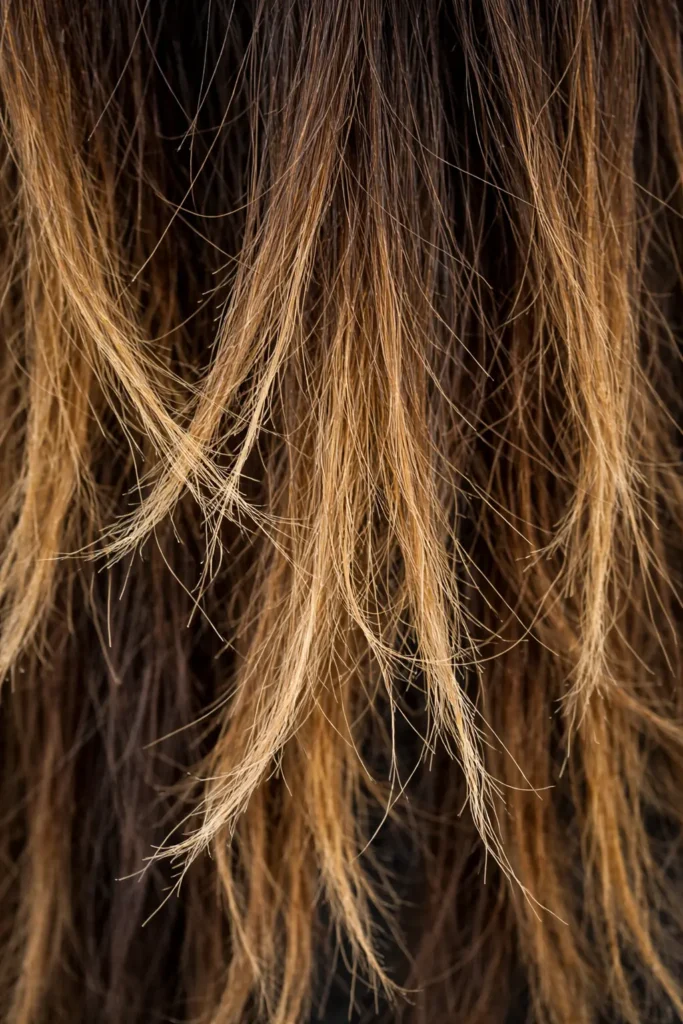
Typical signs include:
- Rough or straw-like texture
- Increased hair breakage
- Lack of shine and elasticity
- Difficulty managing or styling hair
If you notice these signs, it’s time to establish a repair-focused routine.
Best Solutions for Damaged and Chemically Treated Hair
1. Gentle but Effective Cleansing
Damaged hair needs to be cleaned gently to remove buildup while preserving its moisture. Washing too often or using harsh shampoos can make things worse.
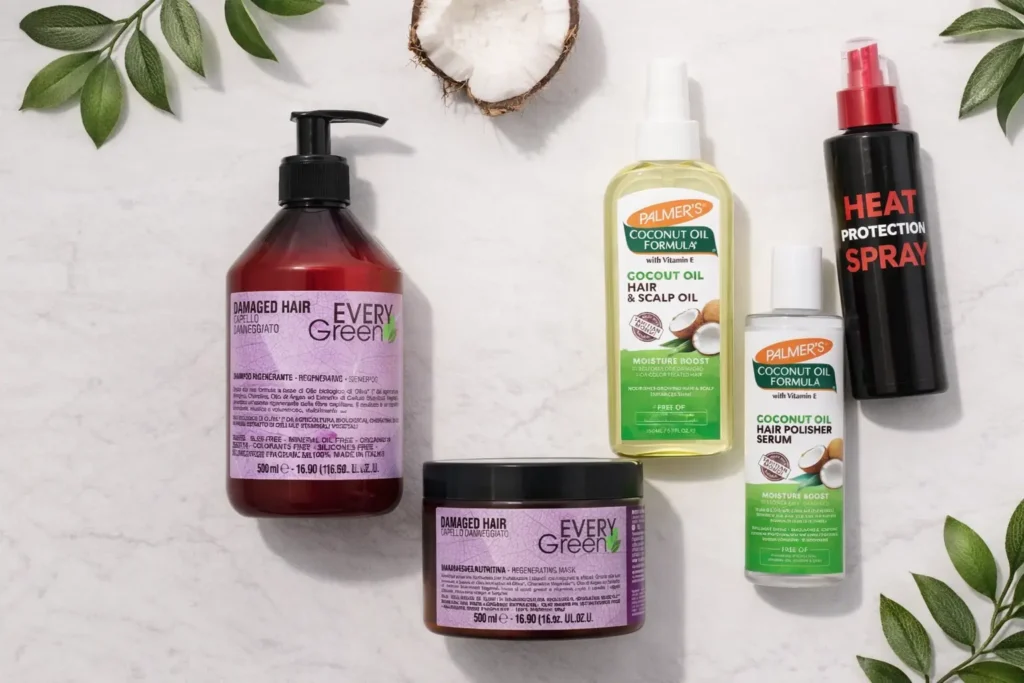
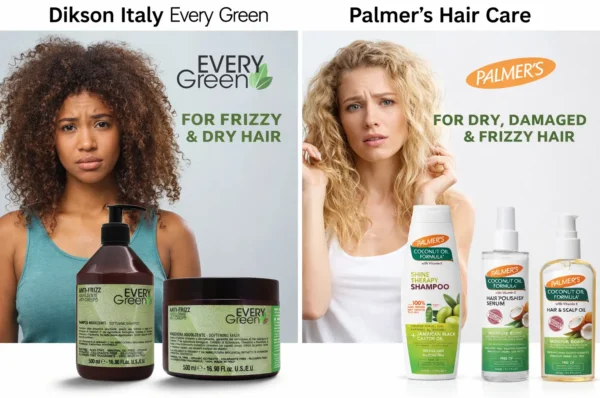
Professional repair-focused shampoos, such as salon-grade options from Dikson Italy, help cleanse chemically treated hair without causing further dryness.
Expert tip:
Wash hair only two to three times per week using lukewarm water.
2. Weekly Deep Conditioning Treatments
Deep conditioning is a great way to help damaged hair recover. Hair masks go deeper than regular conditioners, nourishing your hair.
Hair science research shows that keratin-based treatments help temporarily strengthen damaged hair strands when used correctly.
Using a repair mask once a week helps:
- Improve softness and elasticity.
- Reduce breakage
- Restore a smoother texture.
Sticking to a routine matters more than using lots of different products.
3. Scalp Care and Moisture Support
Most people focus on the ends of damaged hair, but caring for your scalp is also essential. A dry or irritated scalp can slow down your hair’s recovery.
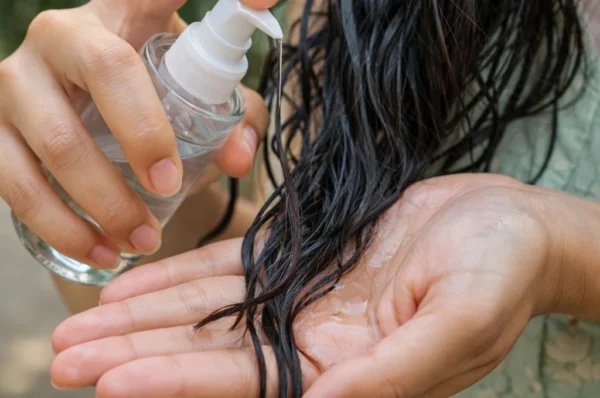
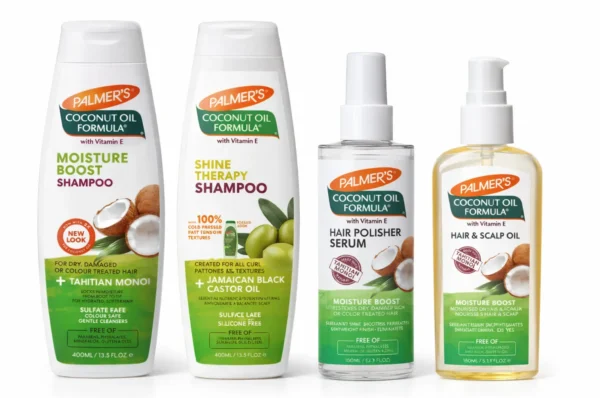
To improve scalp comfort and moisture balance, Palmer’s nourishing oil-based products help reduce dryness-related breakage.
⚠️ Important:
These products support dryness and breakage reduction, not medical hair-fall treatment.
4. Heat Styling Protection
Using heat to style your hair can quickly undo your repair efforts. Still, it’s not always possible to avoid heat altogether.
In such cases:
- Reduce styling frequency
- Always apply a heat-protective product.
- Avoid very high temperatures.
Using protection before styling helps prevent more damage.
5. Long-Term Damage Control and Prevention
Fixing damaged hair takes time, so your daily habits are just as important as the products you use.
Healthy practices include:
- Trimming split ends regularly.
- Avoiding tight hairstyles
- Using wide-tooth combs
- Protecting hair from direct sunlight
With time, these habits will help your hair stay stronger and healthier.
Hair Repair Routine for Chemically Treated Hair
Weekly Routine Example:
- Cleanse with a repair-focused shampoo (2–3 times/week)
- Apply a deep conditioning mask once a week.
- Light scalp nourishment once a week
- Use heat protection before styling.
This routine helps repair your hair, keeps it moisturized, and prevents further damage.
Common Mistakes to Avoid
Even if you use good products, certain habits can slow down your hair’s recovery.
Avoid:
- Daily shampooing
- Applying oil to a dirty scalp
- Skipping conditioning treatments
- Excessive heat styling
Fixing these mistakes can make a big difference in your results.
Expert Advice for Managing Damaged Hair
Hair experts say it’s better to be consistent than to look for quick fixes. Changing products too often or using harsh treatments can worsen damage.
Instead, stick to a simple routine focused on repair, give your products time to work, and protect your hair from repeated stress.
FAQ
- Can chemically damaged hair be repaired?
You can’t fully reverse damaged hair, but with the proper care and protection, you can make it much healthier.
2. How long does it take to see results?
You’ll usually see visible improvement in 4 to 6 weeks if you care for your hair consistently.
3. Should I stop coloring my hair completely?
Cutting back on chemical treatments helps your hair recover faster, but if you keep coloring, good care can still reduce damage.
Final Verdict
The best way to care for damaged and chemically treated hair in Pakistan is to use gentle cleansers, deep conditioners, support your scalp, and protect your hair from heat.
If you follow a simple routine and use products that focus on repair, your damaged hair can become healthier, smoother, and easier to manage over time.
Comment (1)