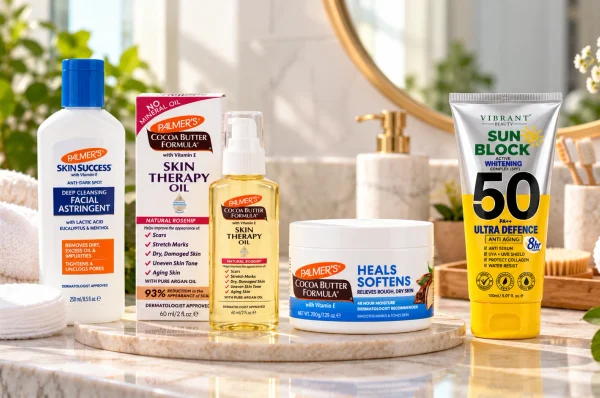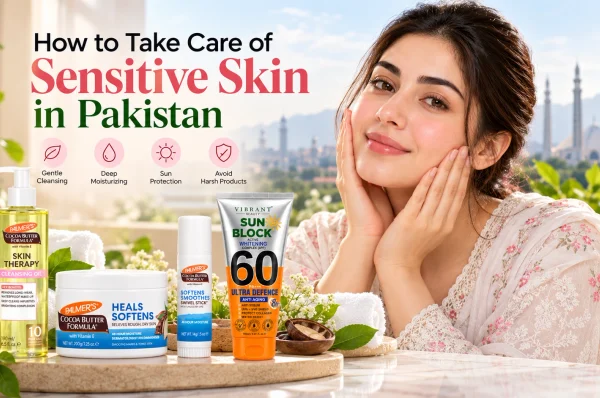

Pakistan’s weather (which is changing), the amount of sun exposure, the dust, and the urban air pollution can all make skincare a bit more of a challenge. Depending on your skin type, these factors can lead to dryness, irritation, discomfort, and changes in skin texture.
Air pollution research has also linked pollutant exposure to several skin conditions. However, the strength of the evidence varies, so you shouldn’t automatically blame pollution for every skin issue.
The best approach is to keep a simple skincare routine, protect your skin from UV rays, and avoid irritating products. This guide explains how pollution and the weather in Pakistan can affect your skin and what you can do about it.
For a complete overview of product selection, explore our guide to the best skin care products in Pakistan.

How does air pollution affect your skin?
Air pollution consists of airborne particulates and gases from sources such as vehicle emissions, industrial processes, and smoke. Repeated exposure to these pollutants can cause oxidative stress and compromise the skin’s protective barrier.
As a result, some people may experience:
- Dryness or rough skin texture
- Irritation or discomfort
- Increased sensitivity
- Changes in the appearance of skin over time
Nonetheless, these symptoms can have several causes. Your skincare products, existing skin conditions, and environmental exposure can all contribute.
1. Dust and Pollution Buildup
Dust and airborne particulates will settle on any exposed skin throughout the day. Sweat, sunscreen, and other product residue will also build up.
So a gentle evening cleanse is a good way to remove the day’s buildup. Just don’t scrub too hard, as it can irritate the skin.
2. Pollution and the Skin Barrier
The skin barrier retains moisture and protects the body from external irritants. Some evidence suggests that certain pollutants can disrupt barrier function and trigger inflammation. People with dry or sensitive skin often find that a simple routine of gentle cleansing and regular moisturizing is all they need.
If your skin reacts easily to environmental changes or skincare products, read our guide on how to take care of sensitive skin in Pakistan.
3. Pollution and Premature Skin Aging
Some research links long-term exposure to air pollution with changes in aging skin. The evidence doesn’t necessarily mean pollution causes every wrinkle, dark spot, or change in skin texture.
Daily sun protection remains important, as UV radiation is a well-established contributor to premature skin aging.
The American Academy of Dermatology recommends broad-spectrum, water-resistant sunscreen with SPF 50 or higher, alongside shade and protective clothing.
How Pakistan’s Weather Affects Your Skin
Pakistan has hot summers, cooler winters, varying humidity,y and differences in air quality from one region to another. As such, the same skincare routine may not feel as comfortable at different times of year.
Hot Weather and Sweating
High temps increase sweating and can make heavier skincare products uncomfortable.
To keep your routine practical:
- Use a gentle cleanser.
- Choose a moisturizer with a pleasant texture.
- Cleanse after substantial sweating.
- Don’t wash your face constantly.
Humidity and Oily Skin
Humid conditions can make the skin feel sticky (especially if you’re using a lot of rich creams and/or several layers of product).
Instead, go for a light moisturizer if your skin needs it. Oily skin still needs moisturizing, and you don’t have to strip it of all its oil.
Dry Weather and Air Conditioning
Cooler weather and dry indoor air can make some people feel tightness or roughness.
In these cases, a more generous moisturizer may be better than a light lotion. Just apply it regularly, especially after cleansing.
Sun Exposure and UV Radiation
Sunlight can still damage the skin even if the weather is cool or cloudy. UV exposure contributes significantly to skin damage and premature aging.
The American Academy of Dermatology recommends broad-spectrum, water-resistant sunscreen with SPF 30 or higher, plus shade and protective clothing as appropriate.
For outdoor activity in Pakistan, sunscreen is an important part of your daily skincare regimen.
How to Protect Your Skin from Pollution and Weather
The good news is you don’t need an expensive range of skincare products to build a useful routine.
Step 1: Cleanse Gently
Use a mild facial cleanser to remove sweat, dirt, sunscreen, and general day-to-day residue. Avoid abrasive scrubs or anything too harsh, especially if you have sensitive skin.
Step 2: Apply Moisturizer
Moisturizer helps to maintain hydration and supports the skin barrier. Choose a formula suited to your skin type, and adjust the texture as the weather changes.
A light lotion may be more comfortable in humid weather, while a richer cream is better for dry skin in winter. If your skin feels tight or rough, our guide to why your skin feels dry and tight explains common causes and practical care options.
Step 3: Use Sunscreen Every Day
Choose a broad-spectrum sunscreen with SPF 30 or above. Apply as per the product instructions and reapply as required (particularly after you’ve sweated or after you’ve been in the water).
Also seek shade and wear protective clothing when possible.
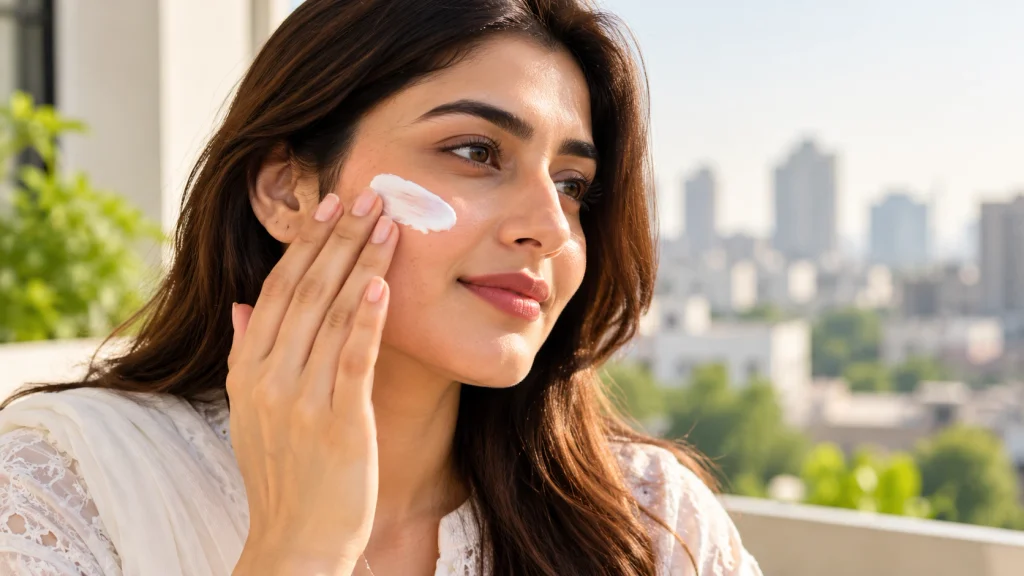
Step 4: Avoid Unnecessary Product Switching
Adding multiple exfoliants, fragranced products, and/or strong actives at the same time may increase irritation for some.
Instead, introduce the new products gradually. If a product causes persistent burning, itching, or redness, stop using it and seek medical advice as appropriate.
Step 5: Adjust Your Routine Seasonally
Your skin’s needs will vary with temperature, humidity, and indoor conditions.
So maintain the core routine, tweak the textures, and adjust cleansing as needed.
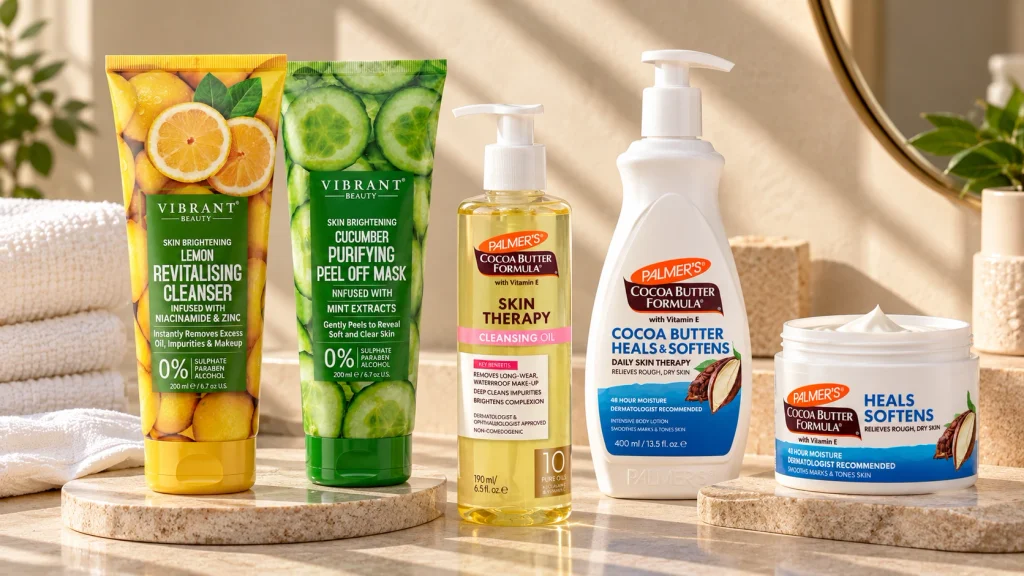
Choosing Skincare Products for Pakistani Conditions
Choose products based on your skin type, the product’s purpose, and how easy it is to use.
| Product type | Main purpose | What to consider |
| Gentle cleanser | Removes daily buildup | Avoid formulas that leave skin feeling stripped |
| Moisturizer | Supports hydration and the skin barrier | Choose a suitable texture for your skin type |
| Sunscreen | Helps protect against UV radiation | Look for broad-spectrum SPF 30+ |
| Fragrance-free products | May help reduce fragrance-related irritation | Check the full ingredient list and your own tolerance |
Remember that no skincare product can completely protect your skin from pollution. Build a good routine to keep your skin comfortable and minimize avoidable irritation and UV exposure.
A Simple Daily Skincare Routine for Pakistan
Morning routine
- Gentle cleanser, if needed
- Moisturizer
- Broad-spectrum sunscreen
Evening routine
- Gentle cleanser to remove sunscreen and daily buildup
- Moisturizer
This is a good routine for a lot of people. If you have a diagnosed skin condition or persistent irritation, a dermatologist can help you figure out what else you might need.
For a step-by-step routine suited to changing temperatures and humidity, read our guide to the daily skin care routine for Pakistani weather.
Common Skincare Mistakes to Avoid
Some habits can actually render an otherwise good routine ineffective.
- Scrubbing your face vigorously to remove pollution.
- Washing your face constantly because of sweat or oil.
- Skipping sunscreen on cloudy days.
- Using too many new products at once.
- Assuming every skin problem is down to pollution.
- Choosing products based solely on marketing claims.
Instead, focus on gentle cleansing, appropriate moisturizing, and consistent sun protection.
FAQ
1. Does air pollution damage your skin?
Research suggests air pollution may contribute to oxidative stress, disrupt the skin barrier, and cause a range of skin issues. Evidence in this area is mixed, though, and results vary by individual.
2. How can I protect my skin from pollution in Pakistan?
Gently cleanse your skin, moisturize regularly, and use sunscreen during the day. Avoid harsh scrubbing, and tailor your skincare routine to your skin type and local weather.
3. Can hot weather make skin oily?
Hot weather and sweating can make the skin feel oilier/stickier. Oil production varies from person to person, so choose products based on your skin’s needs.
4. Is moisturizer necessary in humid weather?
Yes, many people still find moisturizer useful in humid conditions. A lighter formula may be better than a richer cream, depending on your skin type.
5. Does sunscreen protect the skin from air pollution?
Sunscreen is for UV protection – it’s not a complete shield against air pollution. Cleansing and appropriate skincare are still useful elements of your routine.
6. What skincare routine is best for the Pakistani climate?
A practical starting point is gentle cleansing, moisturizing, and daily broad-spectrum sun protection. Adjust your moisturizer’s consistency as the weather and your skin’s needs change.
Final Verdict
Pollution, heat, humidity, and UV exposure can all influence skin comfort and appearance. Even so, a simple routine can help you respond to these environmental challenges with confidence and consistency.
Focus on three essentials: gentle cleansing, suitable moisturizing, and daily sun protection. Keep your routine consistent, choose products that suit your skin and the weather, and stick to these basics.