

Your skin can feel dry, tight, rough, or unusually sensitive even when you are using skincare products regularly. One possible reason is a weakened skin barrier. However, similar symptoms can also occur with conditions such as eczema, contact dermatitis, or rosacea, so symptoms alone cannot confirm the cause.
For people living in Pakistan, a practical skincare routine should account for heat, sun exposure, dust, air conditioning, and seasonal changes without relying on too many products or aggressive treatments.
In this guide, we explain what the skin barrier does, common signs of damage, potential causes, and simple ways to support healthier-looking skin. Causes of dry and tight skin

What Is the Skin Barrier?
The skin barrier is the outermost protective layer of your skin, part of the epidermis. It helps retain moisture and protects the body from external irritants and other environmental factors. Its structure includes skin cells held together by natural lipids such as ceramides, cholesterol, and fatty acids.
Think of it as a protective wall: skin cells are the bricks, and lipids fill the spaces between them.
When this barrier is disrupted, the skin may lose moisture more easily and become less tolerant of products or environmental irritants.
Learn more about how the skin barrier protects against moisture loss and external irritants
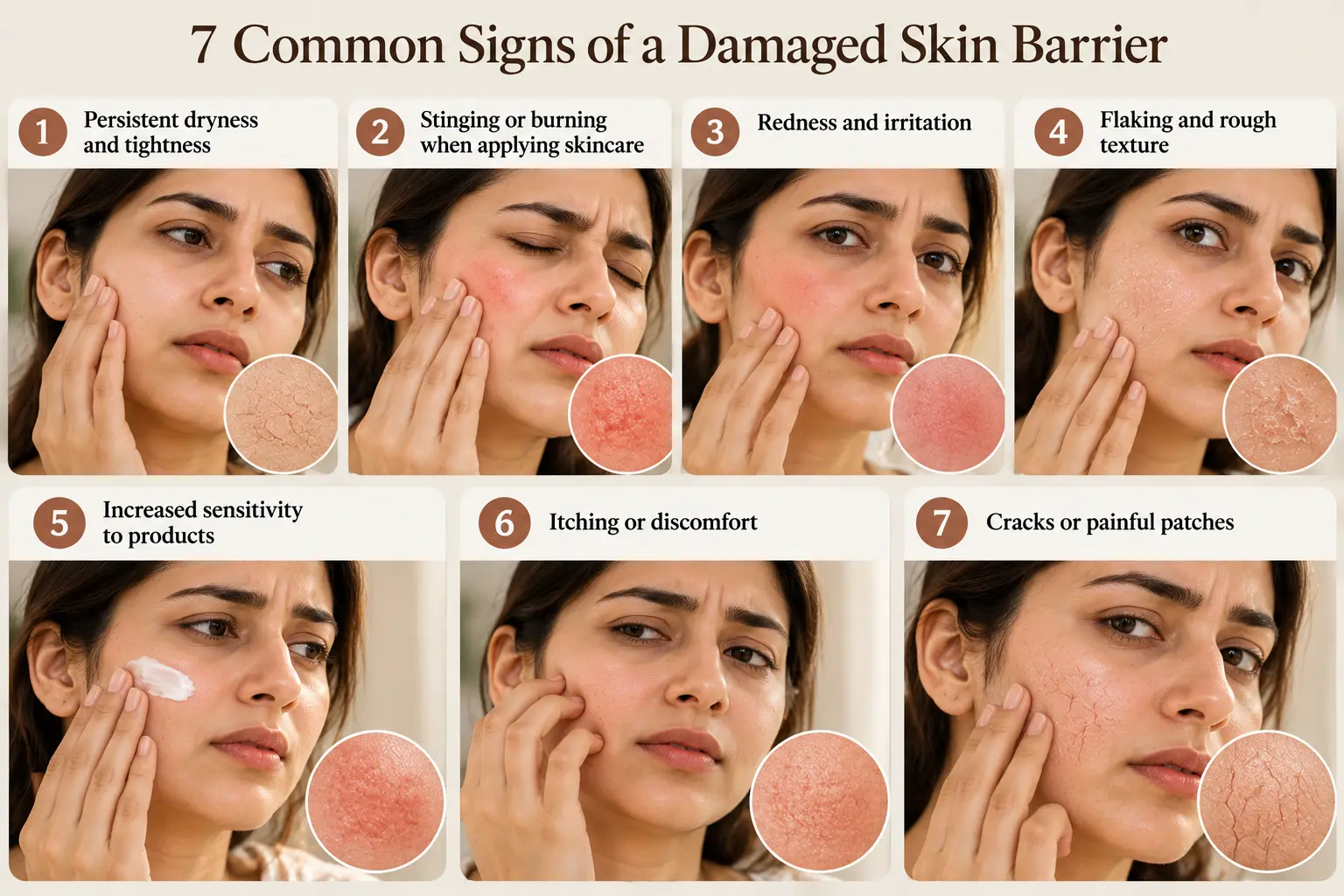
7 Common Signs of a Damaged Skin Barrier
Not every symptom means your skin barrier is damaged. Look for changes in how your skin feels and responds to products.
1. Persistent dryness and tightness
Your face may feel tight after cleansing or washing, even if you used the same product before. Dryness can also make the skin look rough or flaky.
2. Stinging or burning when applying skincare
A moisturizer or cleanser that used to feel comfortable may start to sting. This can happen with irritation, but it can also indicate sensitivity to a particular ingredient or an underlying skin condition.
3. Redness and irritation
Some people notice redness, discomfort, or patches of irritated skin. Persistent or recurring redness doesn’t automatically mean a damaged barrier. Skincare tips for sensitive skin
4. Flaking and rough texture
When skin loses too much moisture, it may become rough, flaky, or scaly. Avoid scrubbing flakes away, as friction can worsen irritation.
5. Increased sensitivity to products
Your skin may react to fragranced products, exfoliating acids, or other skincare ingredients that you previously tolerated. Sensitive skin can have several causes, so identifying the trigger matters.
6. Itching or discomfort
Dry, irritated skin may itch or feel uncomfortable. If itching is severe, persistent, or accompanied by a spreading rash, seek medical advice rather than assuming that moisturizer alone will solve it.
7. Cracks or painful patches
More severe dryness can cause cracks and painful skin. Deep cracks, bleeding, swelling, or signs of infection need a proper medical evaluation.
Important: These signs are clues, not a diagnosis. Acne, eczema, allergies, and other skin conditions can overlap with some of these symptoms.
What Causes Skin Barrier Damage?
1. Over-exfoliating your skin
Using exfoliating acids, scrubs, or multiple strong treatments too often can irritate the skin, especially when products don’t match your skin type.
What to do: Reduce exfoliation when your skin becomes irritated. Avoid adding another active ingredient to fix a reaction caused by your current routine.
2. Using harsh cleansers
Cleansers that leave your face feeling stripped or uncomfortably tight may be too harsh. Frequent washing and very hot water can also worsen dryness.
Choose a gentle cleanser that removes dirt, sunscreen, and excess oil without leaving your skin feeling excessively dry.
3. Skipping moisturizer
Moisturizers help reduce water loss and improve skin hydration. If your skin is dry or irritated, cleansing without a suitable moisturizer afterward may leave it feeling less comfortable.
4. Introducing too many new products
Starting several serums, exfoliants, or treatments at once makes it hard to identify which product is irritating.
Introduce new products gradually and follow their directions. Patch testing can help identify some reactions, although it cannot guarantee that a product will never irritate your skin.
5. Fragrance and other irritating ingredients
Fragrances and certain cosmetic ingredients can trigger irritation or allergic contact dermatitis in some people. A product marketed for sensitive skin can still cause a reaction.
If you suspect a product is responsible, stop using it and seek professional advice if the reaction persists.
6. Environmental conditions in Pakistan
Heat, strong sunlight, air conditioning, dry air, and dusty environments can affect skin comfort and hydration. Their effects vary by skin type, routine, and individual sensitivities.
For related guidance, read our article on How Pollution and Weather Affect Your Skin in Pakistan and link it to the published pollution-and-weather article URL on your site.
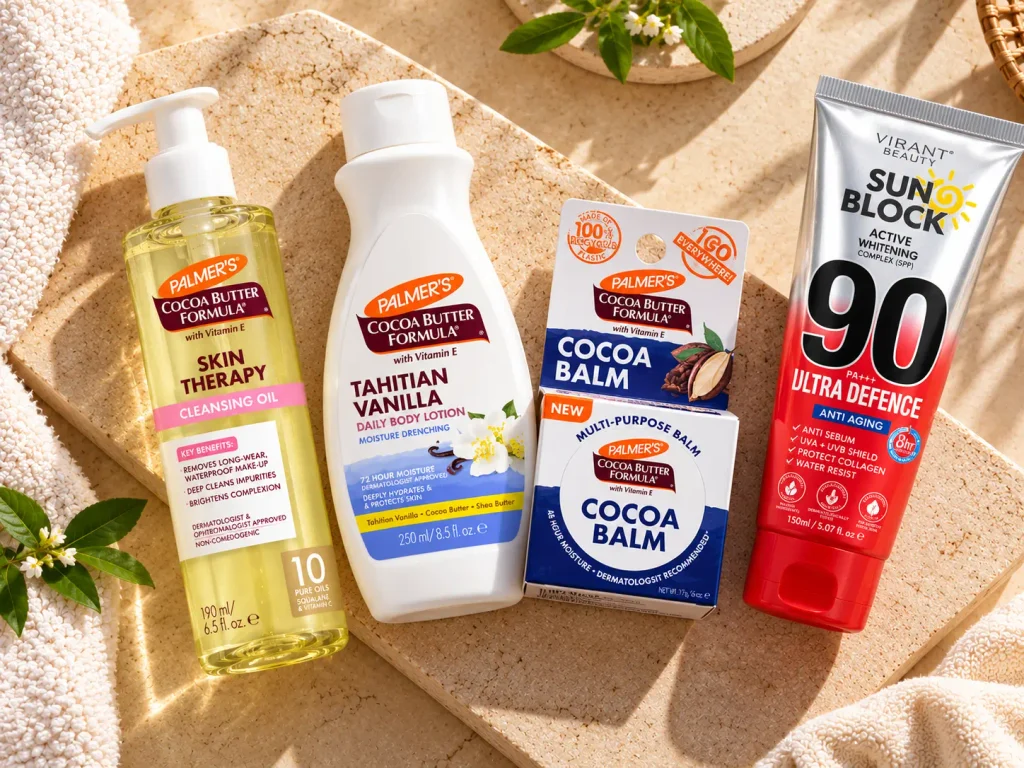
How to Protect and Support Your Skin Barrier
Start by simplifying your routine, reducing avoidable irritation, and giving your skin time to settle. No single product repairs every skin problem.
Step 1: Use a gentle cleanser
Wash your face with lukewarm water and a gentle cleanser. Avoid aggressive scrubbing, cleansing brushes, and repeated washing when your skin is already irritated.
Choose a cleanser based on your skin type:
- Dry skin: A gentle, non-stripping cleanser.
- Oily skin: A mild cleanser that removes excess oil without leaving the skin tight.
- Sensitive skin: A simple, fragrance-free cleanser may be a sensible starting point.
Step 2: Apply a suitable moisturizer
Moisturizer is an important part of supporting the skin barrier because it hydrates the skin and reduces moisture loss. Applying it to slightly damp skin can help retain moisture. Best moisturizers for dry skin in Pakistan
Look for ingredients such as:
| Ingredient | What it can do |
| Ceramides | Help replenish lipids that support the skin barrier |
| Glycerin | Attracts and helps retain water in the skin |
| Hyaluronic acid | Helps hydrate the skin |
| Petrolatum | Helps reduce water loss, particularly in very dry areas |
| Panthenol | Helps condition and moisturize the skin |
No ingredient is guaranteed to suit everyone. Choose a formulation your skin tolerates, and remember that a long ingredient list doesn’t automatically make a product better.
Step 3: Pause potentially irritating treatments
If your skin is actively stinging, peeling, or irritated, consider temporarily stopping non-essential exfoliants, scrubs, and strong active treatments until the irritation settles.
Do not abruptly stop prescribed medication without consulting the prescribing clinician. If you use acne treatments or prescription retinoids, ask a dermatologist how to adjust your routine.
Step 4: Protect your skin from the sun
Use a broad-spectrum sunscreen with SPF 30 or higher, following the product instructions. Seek shade and use protective clothing when appropriate. Sun protection matters even if your main concern is dryness or sensitivity.
Choose a sunscreen that feels comfortable enough for regular use. If one formula repeatedly irritates your skin, try to identify the trigger or ask a dermatologist for guidance.
Step 5: Avoid unnecessary skincare experiments
When your skin is irritated, adding more products may make it harder to identify the cause.
Keep your routine consistent and introduce new products one at a time. Give your skin time to respond instead of changing your cleanser, moisturizer, and serum every few days. Best skin care products in Pakistan
A Simple Skin Barrier-Friendly Routine for Pakistan
Morning routine
- Gently cleanse, or rinse with water if your skin prefers it.
- Apply a suitable moisturizer.
- Finish with broad-spectrum SPF 30+ sunscreen.
Night routine
- Gently remove sunscreen and makeup.
- Cleanse without scrubbing.
- Apply moisturizer while the skin is slightly damp.
This is a basic starting point, not a treatment plan for every skin condition. If your skin feels comfortable with this routine, you don’t need to add multiple serums to complicate it. Daily skin care routine for Pakistani weather
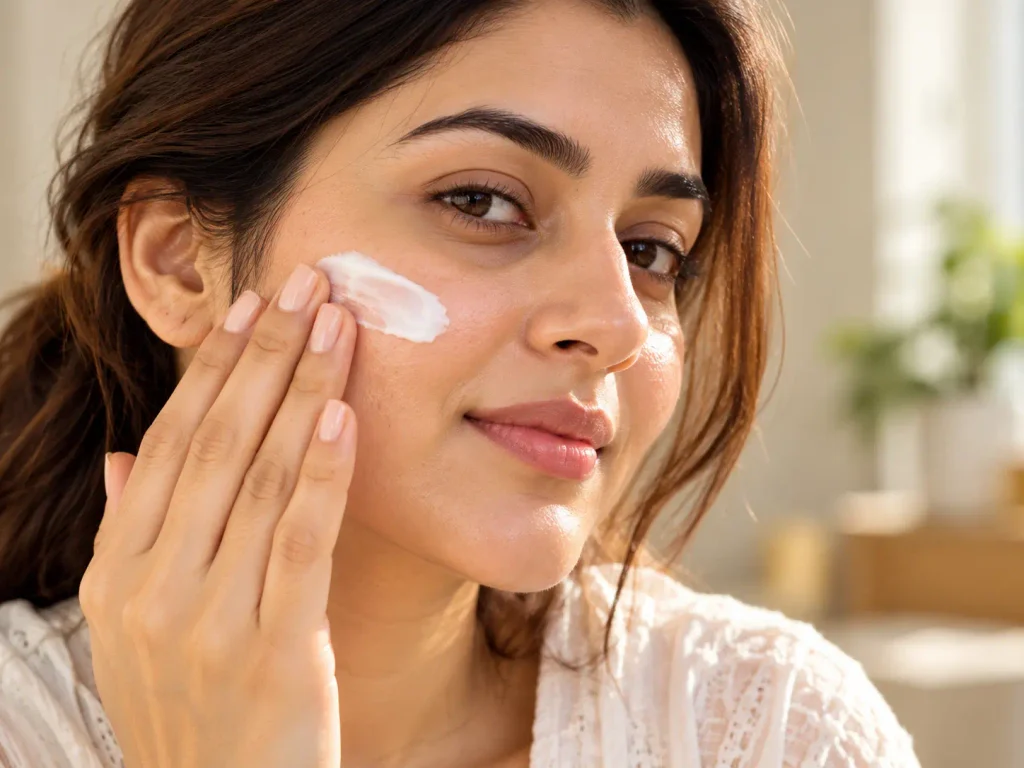
Which Skincare Products Should You Choose?
The right products depend on your skin type and the problem you are trying to address.
| Skin concern | What to look for |
| Dry, tight skin | A moisturizing cream with humectants and emollients |
| Oily but dehydrated-feeling skin | A comfortable, lightweight moisturizer |
| Sensitive or easily irritated skin | Simple, fragrance-free products where possible |
| Rough, flaky patches | Gentle cleansing and consistent moisturizing |
| Persistent redness or burning | Professional assessment if symptoms continue |
Avoid treating every breakout as a damaged skin barrier. Acne and irritation can coexist, and very rich products may not suit everyone with acne.
For Singharcity.pk, link this section naturally to your relevant skin care products and moisturizers categories, as well as your article on Best Moisturizers for Dry Skin in Pakistan.
Skincare Mistakes That May Worsen Irritation
- Scrubbing the skin to remove flakes.
- Using multiple exfoliating products at once.
- Washing with very hot water.
- Changing the entire routine whenever a new product launches.
- Assuming that every stinging sensation means a product is working.
- Using heavily fragranced products when fragrance seems to trigger a reaction.
- Expecting an overnight result from a moisturizer.
- Ignoring persistent rashes, swelling, or painful skin.
A simpler routine can make it easier to identify triggers and support the skin’s natural protective function. However, persistent symptoms may require treatment for an underlying condition rather than skincare changes alone.
When Should You See a Dermatologist?
Consider professional assessment if your symptoms are severe, keep returning, or don’t improve after you simplify your routine. Seek medical advice for a persistent rash, significant swelling, painful cracks, oozing, or suspected infection.
Facial swelling with difficulty breathing requires emergency medical care.
Do not rely exclusively on cosmetic products to manage suspected eczema, allergic reactions, rosacea, or other skin diseases.
Frequently Asked Questions
1. How do I know if my skin barrier is damaged?
Possible signs include persistent dryness, tightness, flaking, stinging, itching, and increased sensitivity to products. These symptoms can have other causes, so they do not confirm barrier damage on their own.
2. How long does it take to repair a damaged skin barrier?
Recovery time varies according to the cause and severity of irritation. Mild dryness may improve with gentle cleansing and regular moisturizing, while persistent inflammation or an underlying skin condition may need medical treatment. There is no guaranteed timeline.
3. Can I use vitamin C or retinol if my skin barrier feels damaged?
If your skin is actively irritated, consider pausing non-essential active treatments until it settles. Ask your dermatologist before changing prescribed treatments, particularly if you are managing acne or another skin condition.
4. Is a moisturizer enough to repair the skin barrier?
A suitable moisturizer can support hydration and reduce moisture loss, but it may not address every cause of irritation. If symptoms persist, investigate possible triggers and seek professional advice.
5. Can oily skin have a damaged skin barrier?
Yes. Oiliness and hydration are different things. Skin can produce excess oil while also feeling tight, irritated, or dehydrated. Choose products based on how your skin responds, not just how oily it is.
6. Should I exfoliate when my skin is peeling?
Avoid scrubbing or aggressively exfoliating irritated, peeling skin. Use gentle cleansing and moisturizing instead. If peeling is severe or persistent, consult a dermatologist to determine the cause.
Final Verdict
A healthy skin barrier helps your skin retain moisture and protect itself from external irritants. When your skin feels unusually dry, tight, or sensitive, the best first step is often to simplify your routine rather than buy more products.
Focus on gentle cleansing, consistent moisturizing, daily sun protection, and avoiding products that repeatedly irritate your skin. If symptoms persist or worsen, get professional advice instead of assuming the problem is simply a damaged barrier.
For Singharcity.pk, this article naturally connects with your existing content on sensitive skin, dry skin, moisturizers, daily skincare routines, and the effects of pollution and weather. Together, these pages can help readers understand their skincare needs and navigate to relevant products.


Comment (1)